Kazi Nazrul Islamজাতীয় কবি কাজী নজরুল ইসলাম
The life, literature and music of Bangladesh's national poet.কবির জীবন ও সৃষ্টিকর্ম
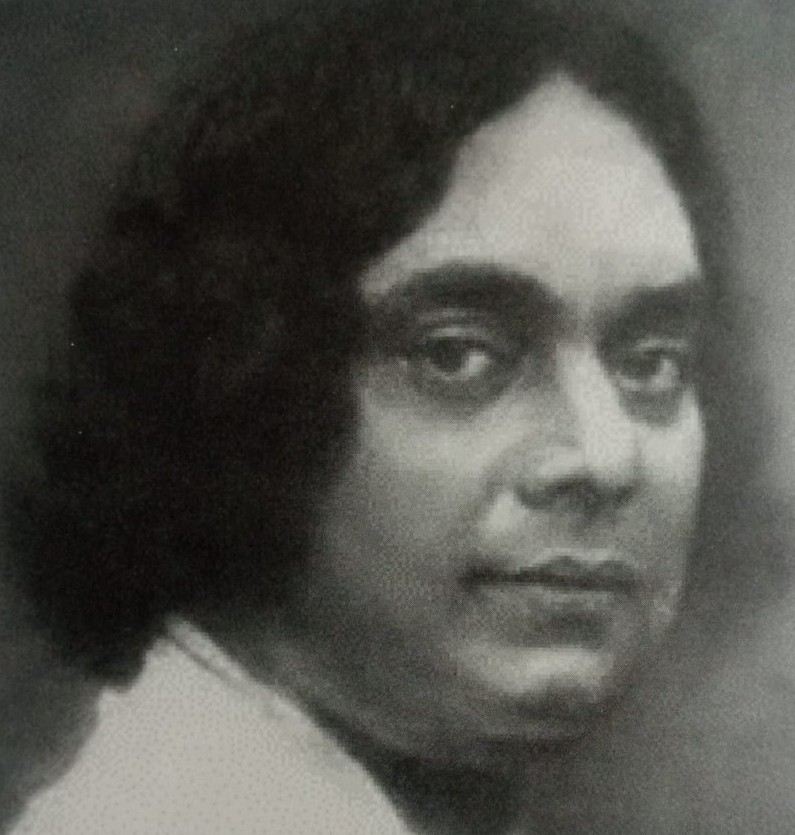
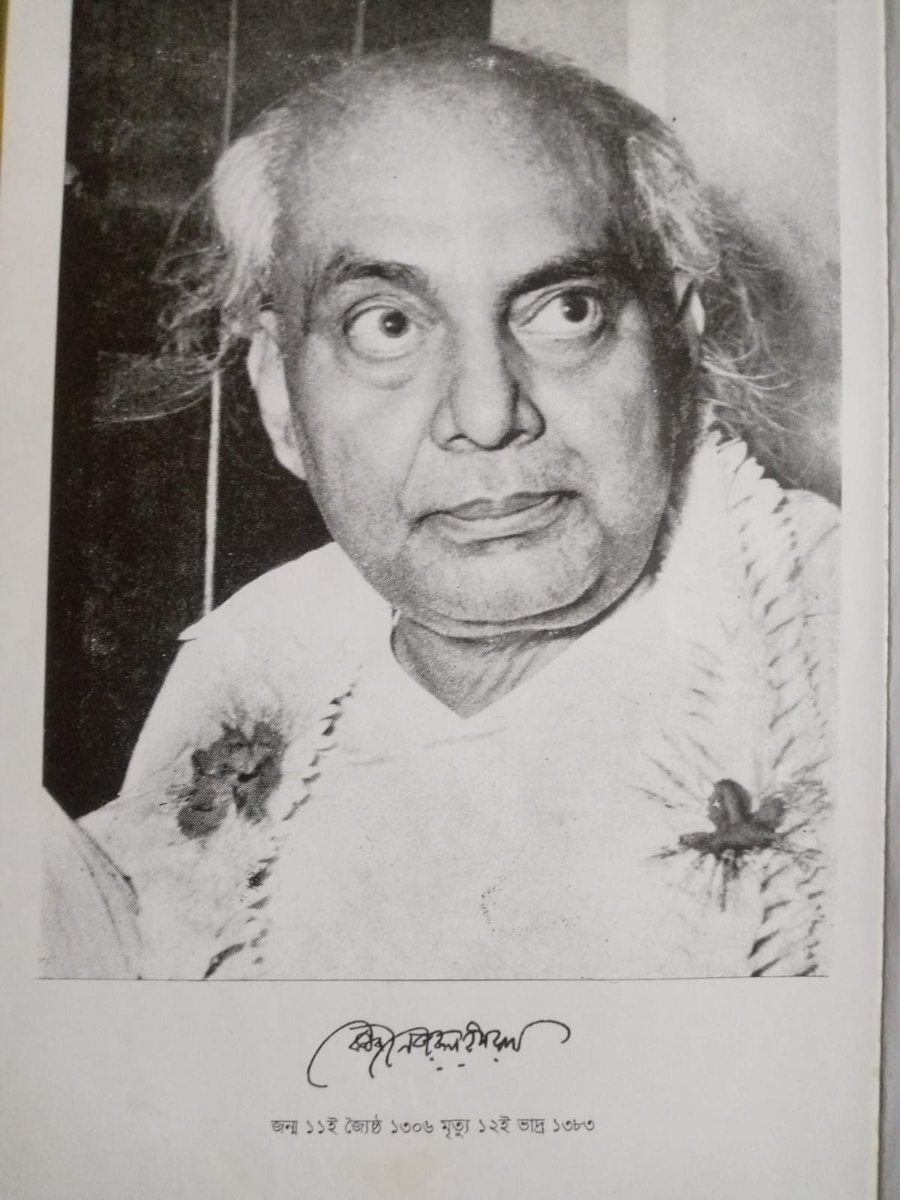
The National Poet Kazi Nazrul Islamজাতীয় কবি কাজী নজরুল ইসলাম
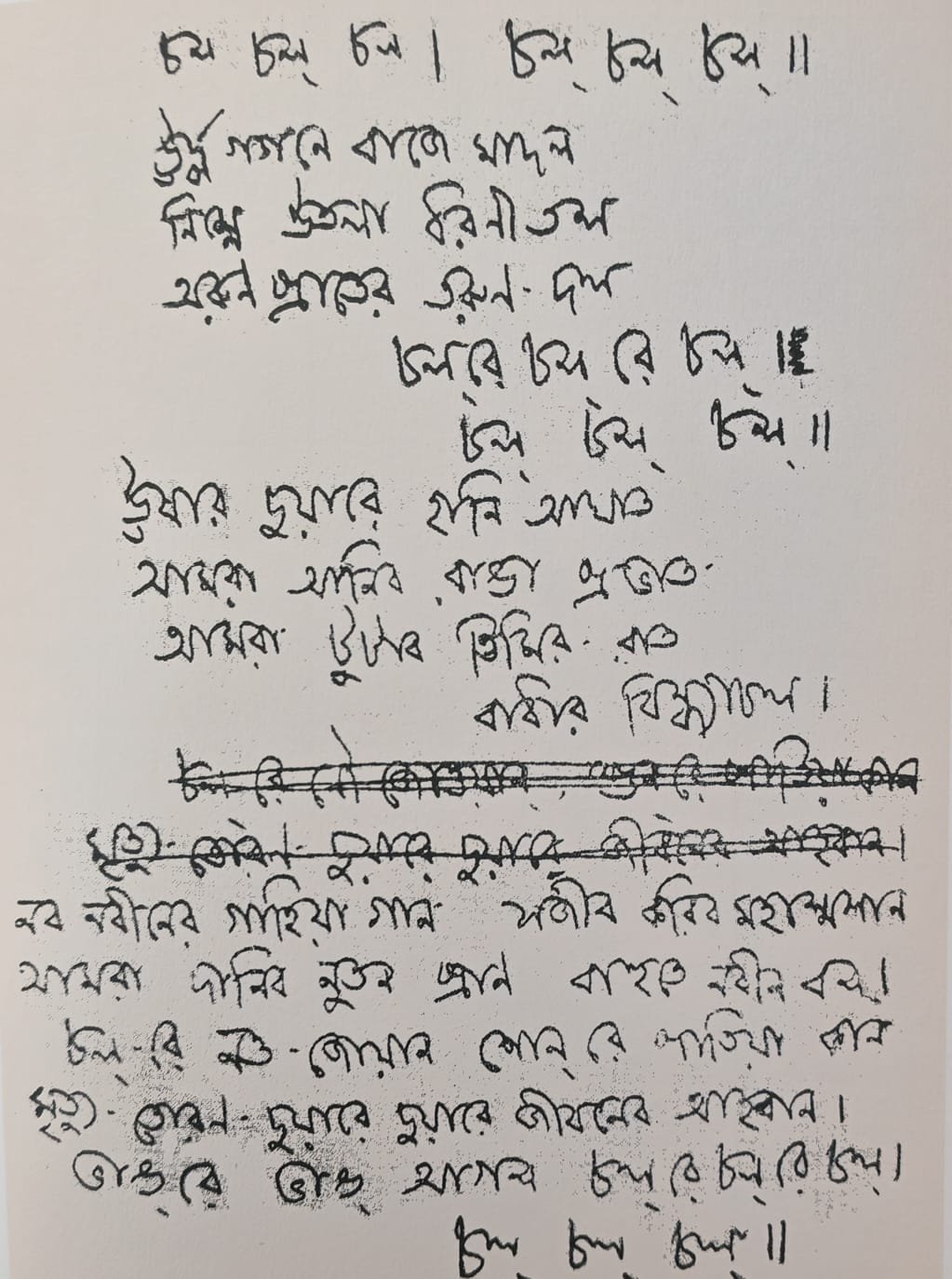
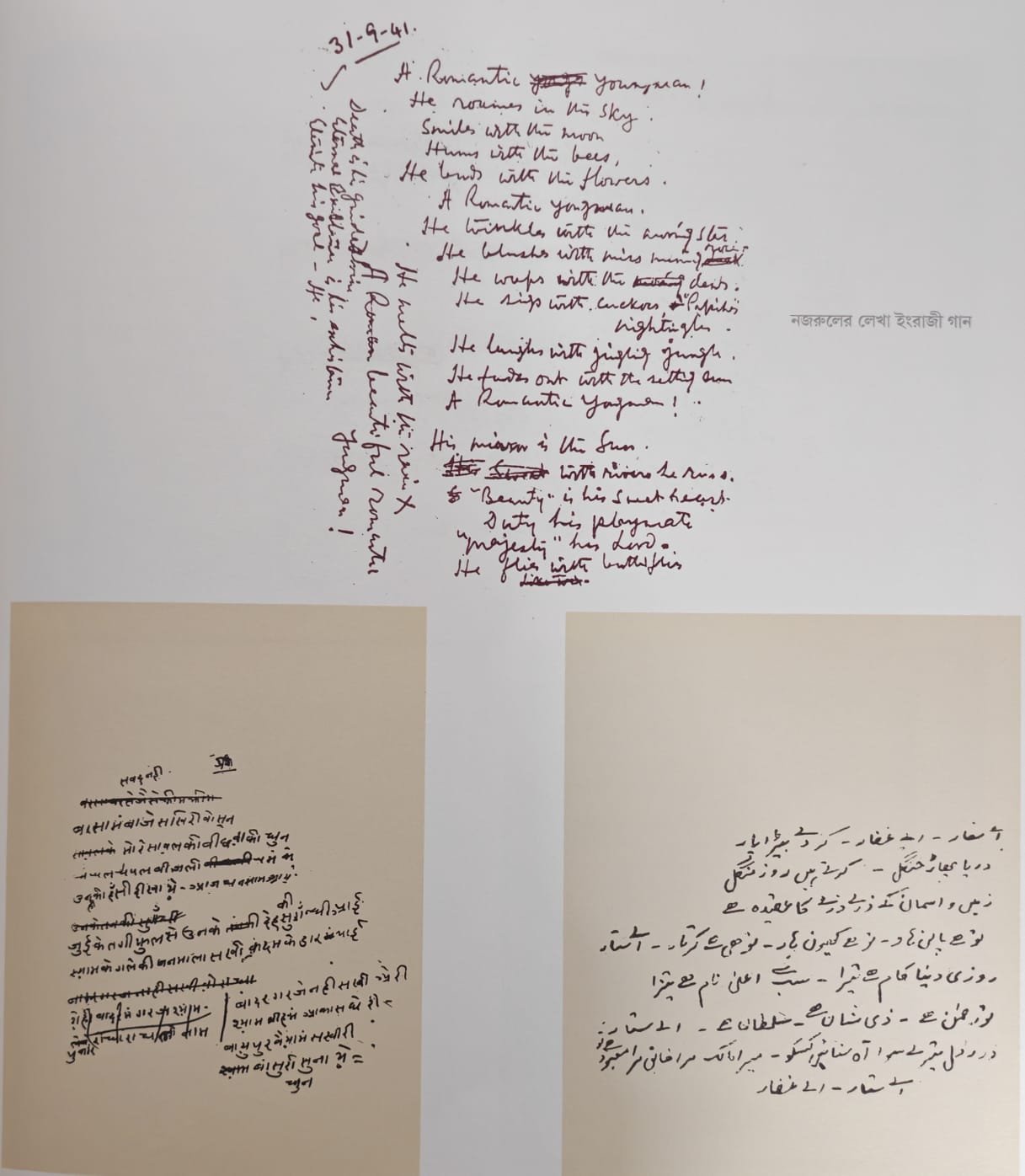
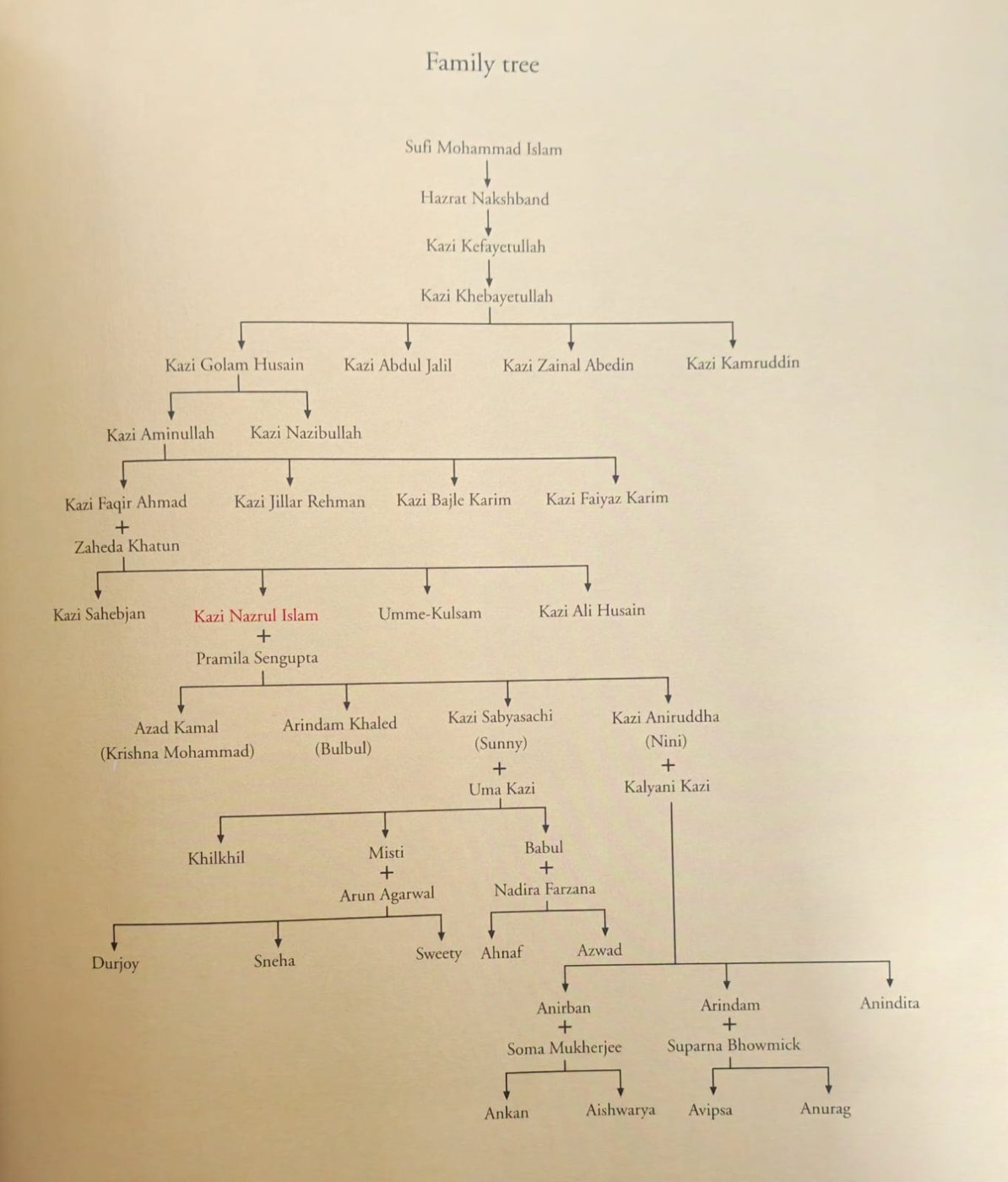
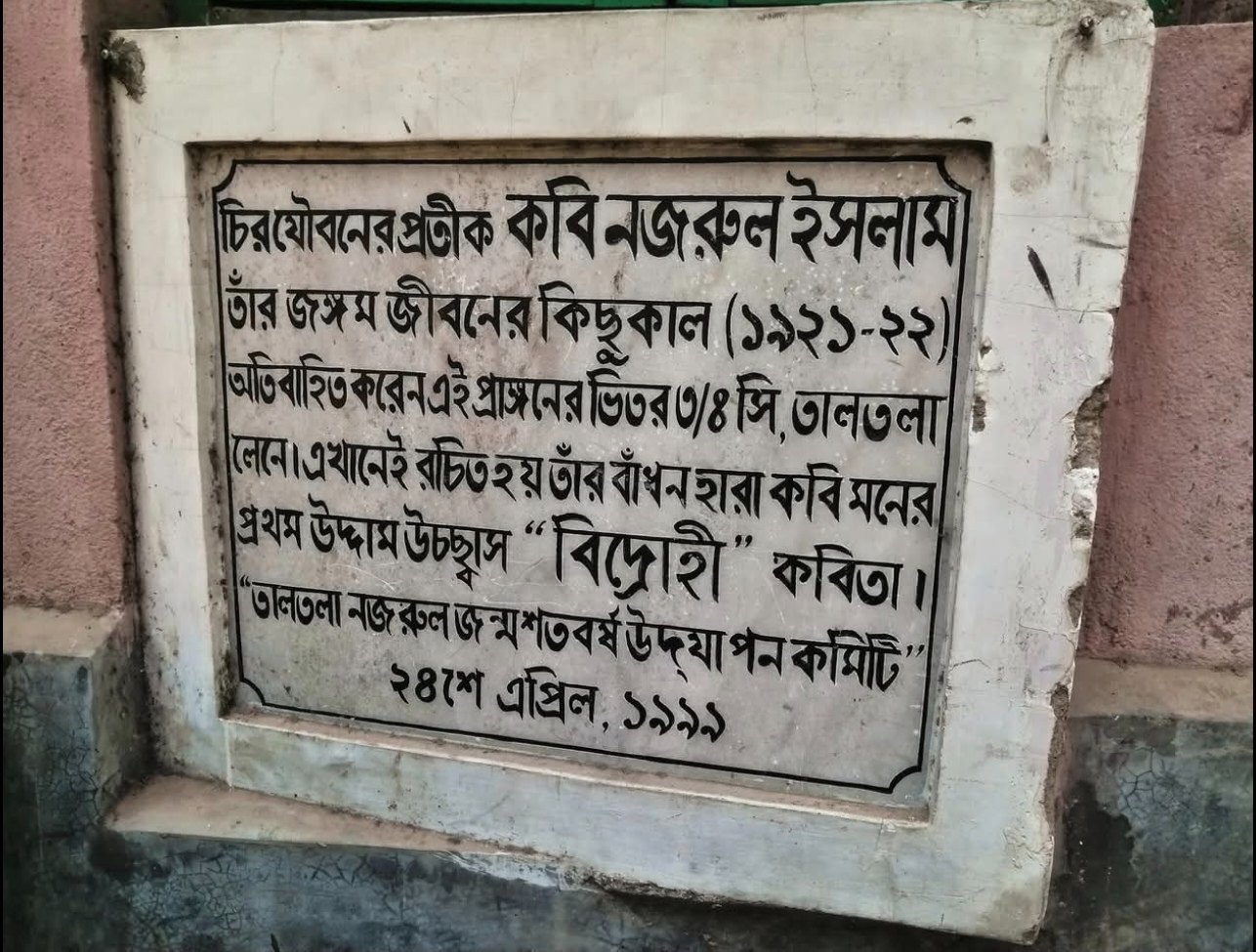
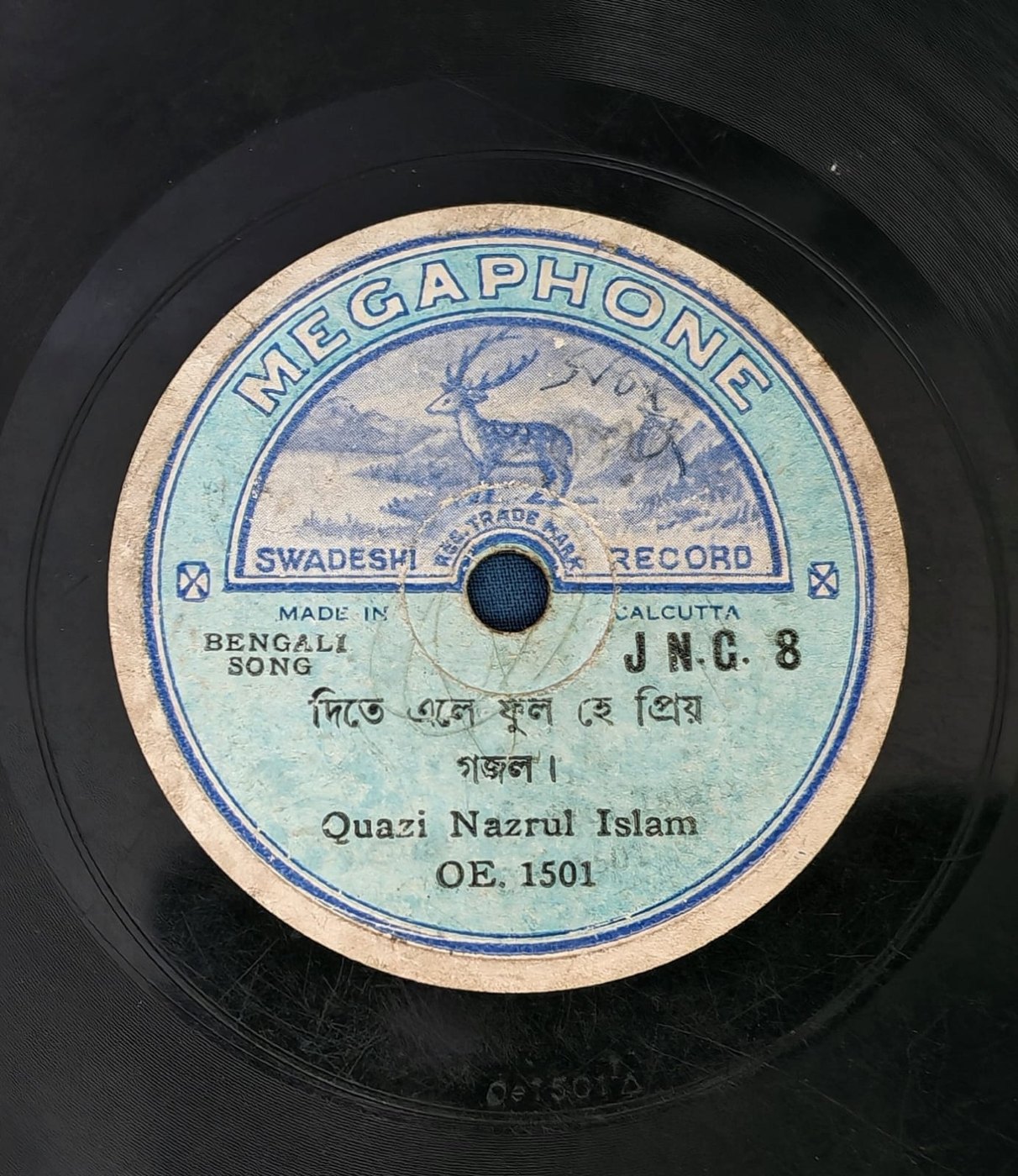
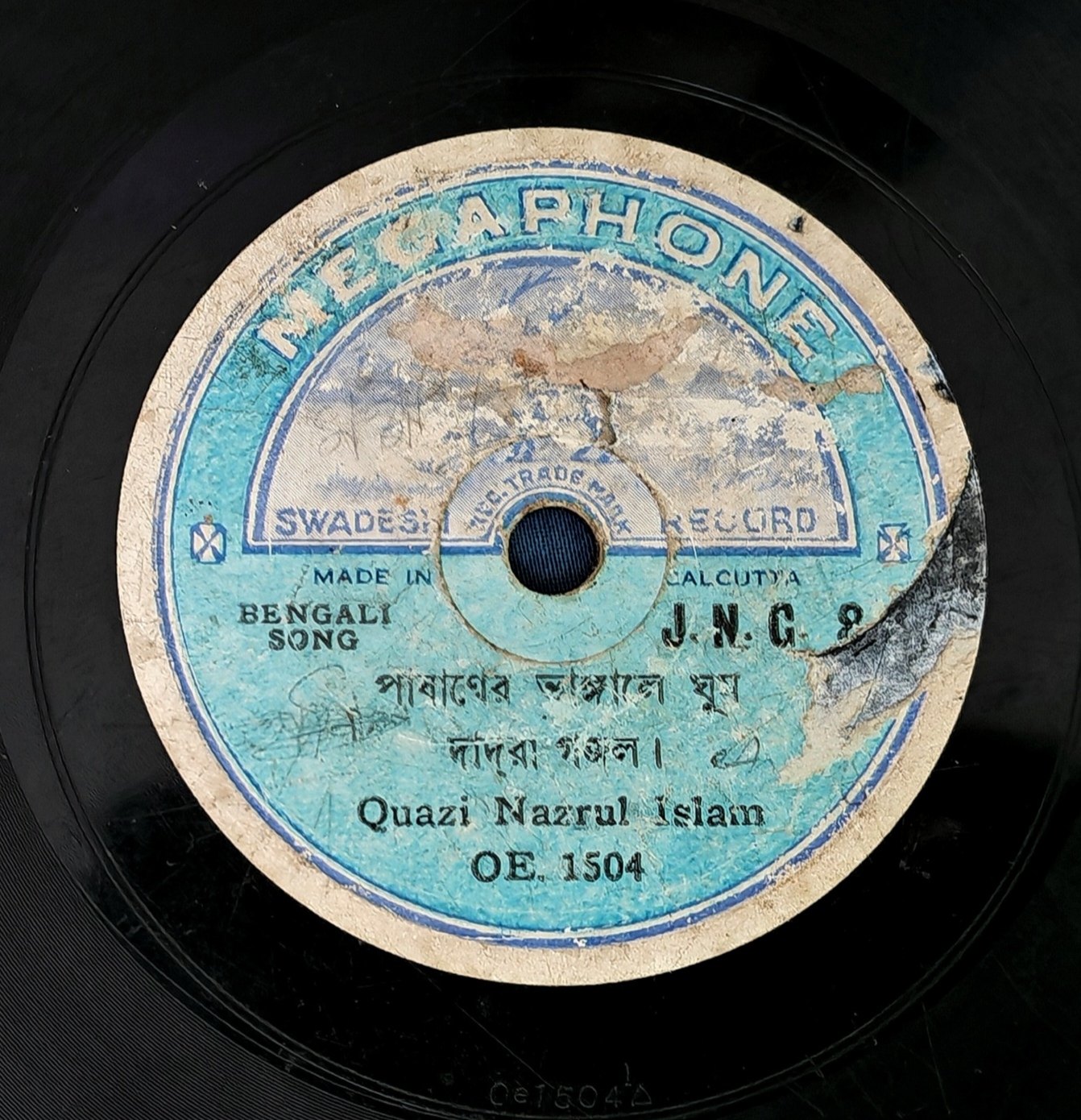
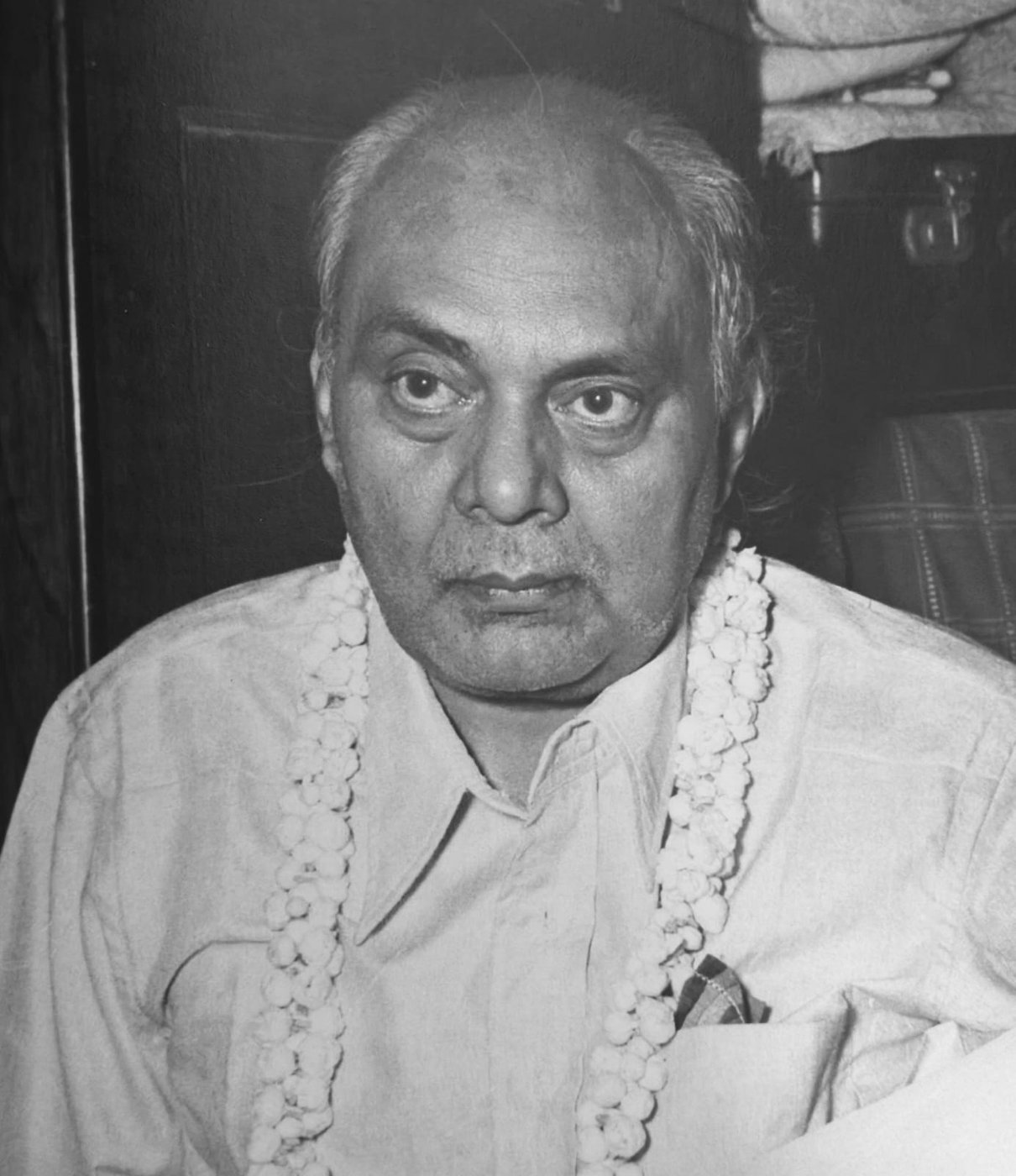
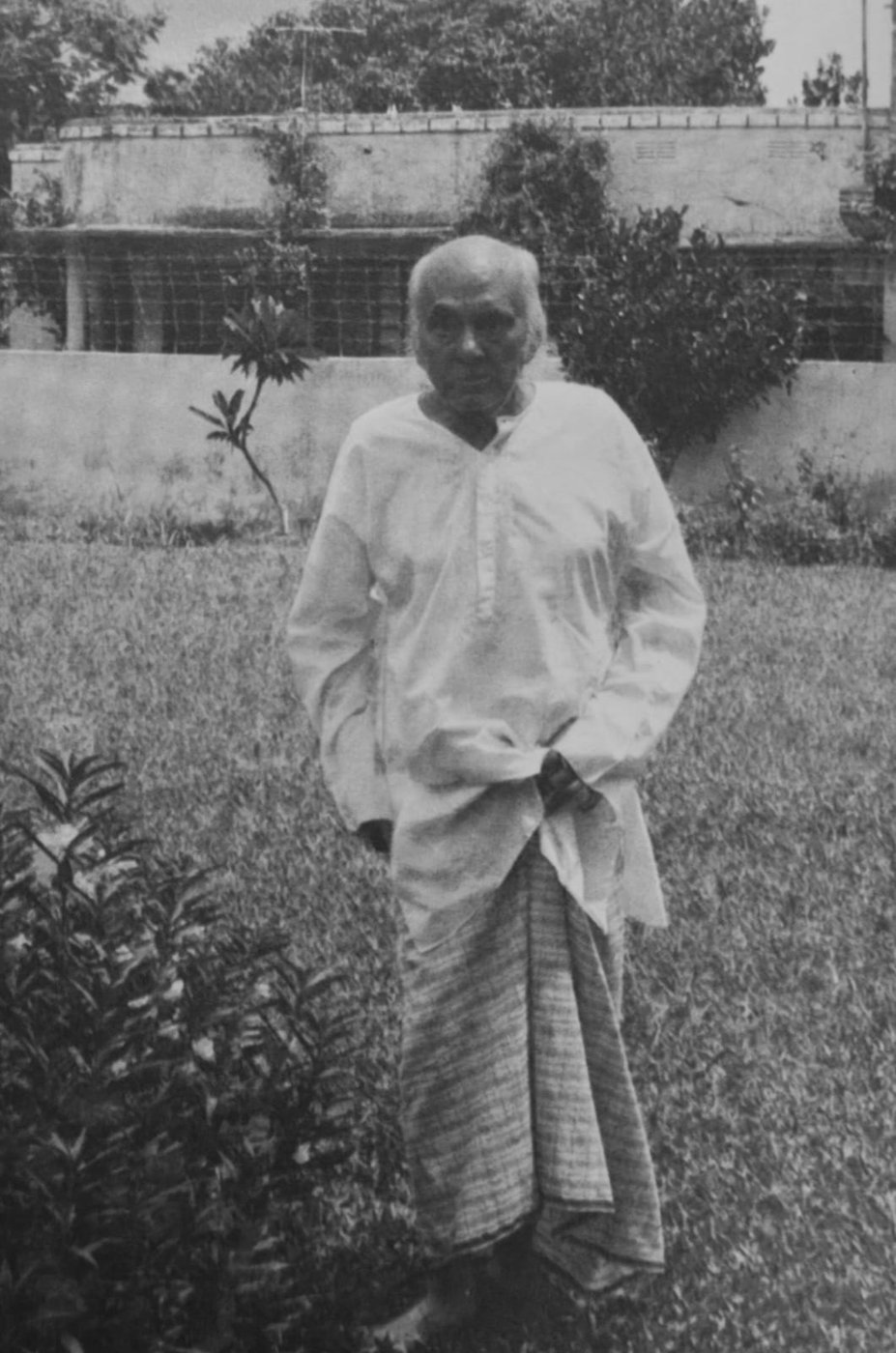
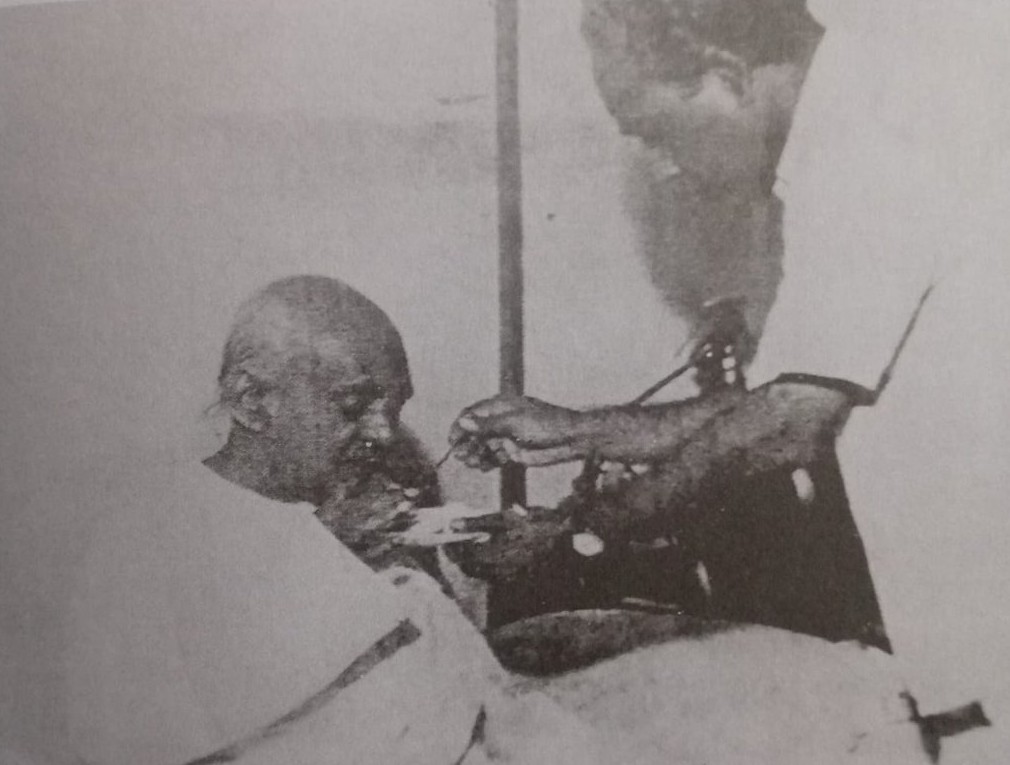
Kazi Nazrul Islam was born on May 24, 1899, in the village of Churulia in Asansol Sadar, West Burdwan district of the Bengal Presidency (now West Bengal, India). He was born into a Muslim family. Professionally, Nazrul's father, Kazi Fakir Ahmed, was a deed writer at a government registry office (during the British era in India). He also served as the imam and caretaker of the local Pirpukur Mosque. His mother was Zahida Khatun. Nazrul began his student life at a maktab and a madrasa run by a mosque and a dargah, respectively, where he studied the Holy Quran and Hadith. Nazrul lost his father in 1908 at the age of ten. To support his family, Nazrul took over his father's position as the caretaker of the mosque. He also assisted the school teachers. Later, he worked as a muezzin at the mosque. Nazrul's uncle, Bazle Karim, owned a Leto troupe [traveling theater group]. Coming into contact with him, Nazrul also joined the Leto troupe. He worked and traveled with them, learning acting and writing songs and poems for plays and music. Through his work and experience, Nazrul also began to study Bengali and Sanskrit literature and Hindu scriptures such as the Puranas. Nazrul also began to compose folk dances for the troupe. In 1910, Nazrul enrolled in Searsol Raj High School in Raniganj. There he met Nibarana Chandra Ghatak, a member of the Jugantar group, and his co-author Sailajananda Mukhopadhyay, who was his classmate. A police officer named Rafizullah brought Nazrul to Darirampur. In 1914, Nazrul studied at Darirampur School in Trishal, Mymensingh district. Nazrul studied Bengali, Sanskrit, Arabic, Persian literature, and Hindustani classical music under teachers who were impressed by his dedication and skill. Nazrul studied up to the tenth grade but did not take the pre-matriculation examination; instead, he joined the British Indian Army in 1917 at the age of eighteen. Nazrul was a man of integrity and dignity. He could not tolerate the oppressive rules of society against humanity. His sense of responsibility inspired him to speak about politics. Nazrul joined the army because of his adventurous nature and interest in the politics of the time. He joined the 49th Bengal Regiment and was posted to the Karachi cantonment, where he wrote his first prose and poetry. Nazrul was very interested in the literary works of Rabindranath Tagore and Sarat Chandra Chattopadhyay. He enriched himself with the works of Persian poets Hafez, Omar Khayyam, and Rumi. He studied Urdu and Persian under the supervision of a scholar for two years. His first prose work, "Bounduler Atmakahini" (The Autobiography of Boundul), was published in May 1919. His poem "Mukti" was published by the Bangiya Musalman Sahitya Samiti [Bengali Muslim Literary Journal] in July 1919. Kazi Nazrul Islam raised his voice against political oppression through his literary works. The poem "Bidrohi" (The Rebel) is one of the greatest poems in world literature. This poem discusses the revolutionary spirit of the human mind. "Bidrohi" was first published on January 6, 1922. He continued to write many such revolutionary poems, which achieved both commercial and critical success. On August 12, 1922, he launched his own newspaper called "Dhumketu," which served as the perfect platform for his revolutionary work. Nazrul was charged with sedition by the British and arrested on January 23, 1923, for publishing the poem "Anandamoyir Agomoni." He was sentenced to one year of rigorous imprisonment, and this inhumane act gave rise to one of the darkest chapters in the history of world literature. The resonance of his revolutionary poems made him popular, and he soon became famous as a rebel poet. While in prison, Nazrul composed many songs and poems that were banned by the British authorities because they were rebellious in nature. After his release from prison in December 1924, he published a book titled "Bisher Banshi" (The Flute of Poison), which the British again banned. Nazrul composed nearly five thousand songs. He is the author of twenty books of poetry, containing nearly five hundred poems, three novels, three short stories, and over a hundred essays. In 1942, at the age of 43, he began to suffer from an unknown illness, which caused him to lose his voice and memory. A team of doctors in Vienna diagnosed the disease as Pick's disease, a rare, incurable neurodegenerative disease. As a result, Nazrul's health deteriorated, and he was forced to live in isolation. He was also admitted to the Ranchi (Jharkhand) Psychiatric Hospital for many years. Bangabandhu Sheikh Mujibur Rahman took a commendable step to invite the National Poet Kazi Nazrul Islam and his family to Bangladesh. In 1972, at the invitation of the Government of Bangladesh, Kazi Nazrul Islam moved to Dhaka with his family. They were granted Bangladeshi citizenship. A new horizon was unveiled in the literary sky of Bangladesh. We gained the author of the greatest literary works as our National Poet. Subsequently, on August 29, 1976, the National Poet Kazi Nazrul Islam passed away in Bangladesh (Inna Lillahi wa Inna Ilaihi Raji'un). On the initiative of then President Ziaur Rahman, the National Poet was buried on the premises of the Dhaka University Mosque. It is worth mentioning here that Martyr President Ziaur Rahman took this noble initiative in memory of the Islamic song "Bury me beside the mosque, brother" composed by the National Poet. As a result, all the devout Nazrul fans in Bangladesh regularly visit the shrine of the National Poet and raise their hands in prayer for the forgiveness of his soul.
কাজী নজরুল ইসলাম ১৮৯৯ সালের ২৪শে মে বেঙ্গল প্রেসিডেন্সির (বর্তমানে পশ্চিমবঙ্গ, ভারত) পশ্চিম বর্ধমান জেলার আসানসোল সদরের চুরুলিয়া গ্রামে জন্মগ্রহণ করেন। তিনি একটি মুসলিম পরিবারে জন্মগ্রহণ করেন। পেশাগতভাবে নজরুলের বাবা কাজী ফকির আহমেদ একটি সরকারি রেজিস্ট্রি অফিসে (ভারতে ব্রিটিশ আমলে) দলিল-লেখক ছিলেন। তিনি স্থানীয় পীরপুকুর মসজিদের ইমাম এবং তত্ত্বাবধায়ক হিসাবেও দায়িত্ব পালন করেছিলেন। তাঁর মা ছিলেন জাহিদা খাতুন। নজরুল তাঁর ছাত্রজীবন শুরু করেন যথাক্রমে একটি মসজিদ ও একটি দরগাহ দ্বারা পরিচালিত একটি মক্তব ও একটি মাদ্রাসায়, সেখানে নজরুল পবিত্র কোরান ও হাদীস অধ্যয়ন করেন। নজরুল ১৯০৮ সালে দশ বছর বয়সে বাবাকে হারান। পরিবারের ভরণপোষণের জন্য নজরুল মসজিদের তত্ত্বাবধায়ক হিসেবে তাঁর পিতার স্থান গ্রহণ করেন। তিনি বিদ্যালয়ের শিক্ষকদেরও সহায়তা করতেন। পরে তিনি মসজিদে মুয়াজ্জিন হিসেবে কাজ করেন। নজরুলের কাকা বজলে করিম একটি লেটো দল [ভ্রমণকারী নাট্যদল]-এর মালিক ছিলেন। তাঁর সংস্পর্শে এসে নজরুলও লেটো দল-এ যোগ দেন। তিনি তাঁদের সঙ্গে কাজ করেন এবং ভ্রমণ করেন, অভিনয় শেখার পাশাপাশি নাটক ও সঙ্গীতের জন্য গান ও কবিতা লেখেন। তাঁর কাজ ও অভিজ্ঞতার মাধ্যমে নজরুল বাংলা ও সংস্কৃত সাহিত্য এবং পুরাণের মতো হিন্দু ধর্মগ্রন্থও অধ্যয়ন করতে শুরু করেন। নজরুল দলের হয়ে লোকনৃত্যও রচনা করতে শুরু করেন। ১৯১০ সালে নজরুল রানীগঞ্জের সিয়ারসোল রাজ উচ্চ বিদ্যালয়ে ভর্তি হন। সেখানে তিনি একজন যুগান্তর কর্মী নিবারণ চন্দ্র ঘটক এবং তাঁর সহ-লেখক শৈলজানন্দ মুখোপাধ্যায়ের সাথে দেখা করেন, যিনি তাঁর সহপাঠী ছিলেন। রফিজুল্লাহ নামে এক পুলিশ অফিসার নজরুলকে দারিরামপুরে নিয়ে আসেন। ১৯১৪ সালে নজরুল ময়মনসিংহ জেলার ত্রিশালের দারিরামপুর বিদ্যালয়ে পড়াশোনা করেন। নজরুল তাঁর নিষ্ঠা ও দক্ষতায় মুগ্ধ শিক্ষকদের অধীনে বাংলা, সংস্কৃত, আরবি, ফার্সি সাহিত্য এবং হিন্দুস্তানি শাস্ত্রীয় সঙ্গীত অধ্যয়ন করেন। নজরুল দশম শ্রেণি পর্যন্ত পড়াশোনা করেছিলেন কিন্তু ম্যাট্রিকুলেশন প্রাক-পরীক্ষায় অংশ নেননি; পরিবর্তে ১৯১৭ সালে তিনি আঠারো বছর বয়সে ব্রিটিশ ভারতীয় সেনাবাহিনীতে যোগ দেন। নজরুল ছিলেন সততা ও মর্যাদার মানুষ। তিনি মানবতার বিরুদ্ধে সমাজের নিপীড়নমূলক নিয়মগুলি সহ্য করতে পারেননি। তাঁর দায়িত্ববোধ তাঁকে রাজনীতি নিয়ে কথা বলতে অনুপ্রাণিত করেছিল। তাঁর দুঃসাহসিক স্বভাব এবং তৎকালীন রাজনীতিতে আগ্রহের কারণে নজরুল সেনাবাহিনীতে যোগ দেন। ৪৯তম বেঙ্গল রেজিমেন্টের সঙ্গে যুক্ত হয়ে তিনি করাচি সেনানিবাসে নিযুক্ত হন, যেখানে তিনি তাঁর প্রথম গদ্য ও কবিতা লেখেন। রবীন্দ্রনাথ ঠাকুর ও শরৎচন্দ্র চট্টোপাধ্যায়ের সাহিত্যকর্মের প্রতি নজরুল অত্যন্ত আগ্রহী ছিলেন। তিনি ফার্সি কবি হাফেজ, ওমর খৈয়াম এবং রুমির রচনায় নিজেকে সমৃদ্ধ করেছিলেন। তিনি দুই বছর ধরে একজন পণ্ডিতের তত্ত্বাবধানে উর্দু ও ফার্সি ভাষা অধ্যয়ন করেন। ১৯১৯ সালের মে মাসে তাঁর প্রথম গদ্য রচনা “বাউন্ডুলের আত্মকাহিনী” প্রকাশিত হয়। তাঁর কবিতা "মুক্তি" 1919 সালের জুলাই মাসে বঙ্গিয় মুসলমান সাহিত্য সমিতি [বাংলা মুসলিম সাহিত্য জার্নাল] দ্বারা প্রকাশিত হয়। কাজী নজরুল ইসলাম তাঁর সাহিত্যকর্মের মাধ্যমে রাজনৈতিক নিপীড়নের বিরুদ্ধে আওয়াজ তোলেন। “বিদ্রোহী” কবিতাটি বিশ্বসাহিত্যের অন্যতম সেরা কবিতা। এই কবিতাটি মানুষের মনের বিপ্লবী চেতনা নিয়ে আলোচনা করে। “বিদ্রোহী” প্রথম প্রকাশিত হয় ১৯২২ সালের ৬ই জানুয়ারি। তিনি এই ধরনের অনেক বিপ্লবী কবিতা লিখতে থাকেন, যা বাণিজ্যিক ও সমালোচনামূলক সাফল্য লাভ করে। ১৯২২ সালের ১২-ই আগস্ট তিনি "ধুমকেতু" নামে তাঁর নিজস্ব পত্রিকা শুরু করেন, যা তাঁর বিপ্লবী কাজের জন্য নিখুঁত মঞ্চ হিসাবে কাজ করেছিল। নজরুলের বিরুদ্ধে ব্রিটিশদের দ্বারা রাষ্ট্রদ্রোহের অভিযোগ আনা হয় এবং ১৯২৩ সালের ২৩শে জানুয়ারি "আনন্দময়ীর আগমনি" কবিতা প্রকাশের জন্য তাঁকে গ্রেপ্তার করা হয়। তাঁকে এক বছরের সশ্রম কারাদণ্ডে দণ্ডিত করা হয় এবং এই অমানবিক কাজ বিশ্ব সাহিত্যের ইতিহাসে অন্ধকারতম পর্বের জন্ম দেয়। তাঁর বিপ্লবী কবিতাগুলির গুঞ্জন তাঁকে জনপ্রিয় করে তোলে এবং শীঘ্রই তিনি একজন বিদ্রোহী কবি হিসেবে জনপ্রিয় হয়ে ওঠেন। কারাগারে থাকাকালীন নজরুল অনেক গান ও কবিতা রচনা করেছিলেন যা ব্রিটিশ কর্তৃপক্ষ কর্তৃক নিষিদ্ধ করা হয়েছিল, কারণ সেগুলি বিদ্রোহী প্রকৃতির ছিল। ১৯২৪ সালের ডিসেম্বরে কারাগার থেকে মুক্তি পাওয়ার পর তিনি "বিষের বাঁশী" নামে একটি বই বের করেন, যা ব্রিটিশরা আবার নিষিদ্ধ করে দেয়। নজরুল প্রায় পাঁচ হাজার গান রচনা করেছেন। তিনি প্রায় পাঁচশো কবিতা, তিনটি উপন্যাস, তিনটি ছোটগল্প এবং শতাধিক প্রবন্ধ সম্বলিত কুড়িটি কবিতার বইয়ের রচয়িতা। ১৯৪২ সালে ৪৩ বছর বয়সে তিনি একটি অজানা রোগে ভুগতে শুরু করেন, যার ফলে তিনি তাঁর কণ্ঠস্বর এবং স্মৃতিশক্তি হারান। ভিয়েনার একটি চিকিৎসক দল এই রোগটিকে পিকস রোগ হিসাবে নির্ণয় করেছে, যা একটি বিরল দুরারোগ্য নিউরোডিজেনারেটিভ রোগ। এর ফলে নজরুলের স্বাস্থ্যের অবনতি ঘটে এবং তিনি বিচ্ছিন্নভাবে থাকতে বাধ্য হন। তিনি বহু বছর ধরে রাঁচির (ঝাড়খণ্ড) মনোরোগ হাসপাতালেও ভর্তি ছিলেন। বঙ্গবন্ধু শেখ মুজিবুর রহমান জাতীয় কবি কাজী নজরুল ইসলাম এবং তাঁর পরিবারকে বাংলাদেশে আমন্ত্রণ জানানোর জন্য প্রশংসনীয় পদক্ষেপ নেন। ১৯৭২ সালে বাংলাদেশ সরকারের আমন্ত্রণে কাজী নজরুল ইসলাম তাঁর পরিবারের সঙ্গে ঢাকায় চলে আসেন। তাঁদেরকে বাংলাদেশের নাগরিকত্ব প্রদান করা হয়। বাংলাদেশের সাহিত্যাকাশে উন্মোচিত হলো নব দিগন্ত। আমরা সর্বশ্রেষ্ঠ সাহিত্যিক সৃষ্টিকর্মের রচয়িতাকে পেলাম আমাদের জাতীয় কবি হিসেবে। অতঃপর ১৯৭৬ সালের ২৯শে আগস্ট জাতীয় কবি কাজী নজরুল ইসলাম বাংলাদেশে ইন্তেকাল করেন (ইন্না লিল্লাহি ওয়া ইন্না ইলাহি রাজিউন )। তৎকালীন রাষ্ট্রপতি জিয়াউর রহমানের উদ্যোগে জাতীয় কবিকে ঢাকা বিশ্ববিদ্যালয় মসজিদ প্রাঙ্গনে দাফন করা হয়। এখানে উল্লেখ্য যে, শহীদ রাষ্ট্রপতি জিয়াউর রহমান জাতীয় কবি রচিত ইসলামিক গান "মসজিদেরই পাশে আমায় কবর দিও ভাই" গানটির স্মরণে এই মহৎ উদ্যোগটি গ্ৰহণ করেন যার ফলে বাংলাদেশের সকল ধর্মপ্রাণ নজরুল অনুরাগী নিয়মিত জাতীয় কবির মাজার জিয়ারত এবং তাঁর রুহের মাগফেরাত এর জন্য মোনাজাতে হাত তুলে।
“I am the ever-rebellious, weary of struggle…”
“আমি চির-বিদ্রোহী বীর…”
— Bidrohi (sample excerpt)— বিদ্রোহী (নমুনা অংশ)
“Sing the song of equality…”
“গাহি সাম্যের গান…”
— Samyabadi (sample excerpt)— সাম্যবাদী (নমুনা অংশ)
“Perhaps I saw you, becoming what you are not, What harm would it be to you, if my heart were filled by that?”
“হয়ত তোমারে দেখিয়াছি, তুমি যাহা নও তাই ক'রে, ক্ষতি কি তোমার, যদি গো আমার তাতেই হৃদয় ভরে ?”
— Row of Betel-Nut Trees Beside the Window (sample excerpt)— বাতায়ন-পাশে গুবাক-তরুর সারি (নমুনা অংশ)
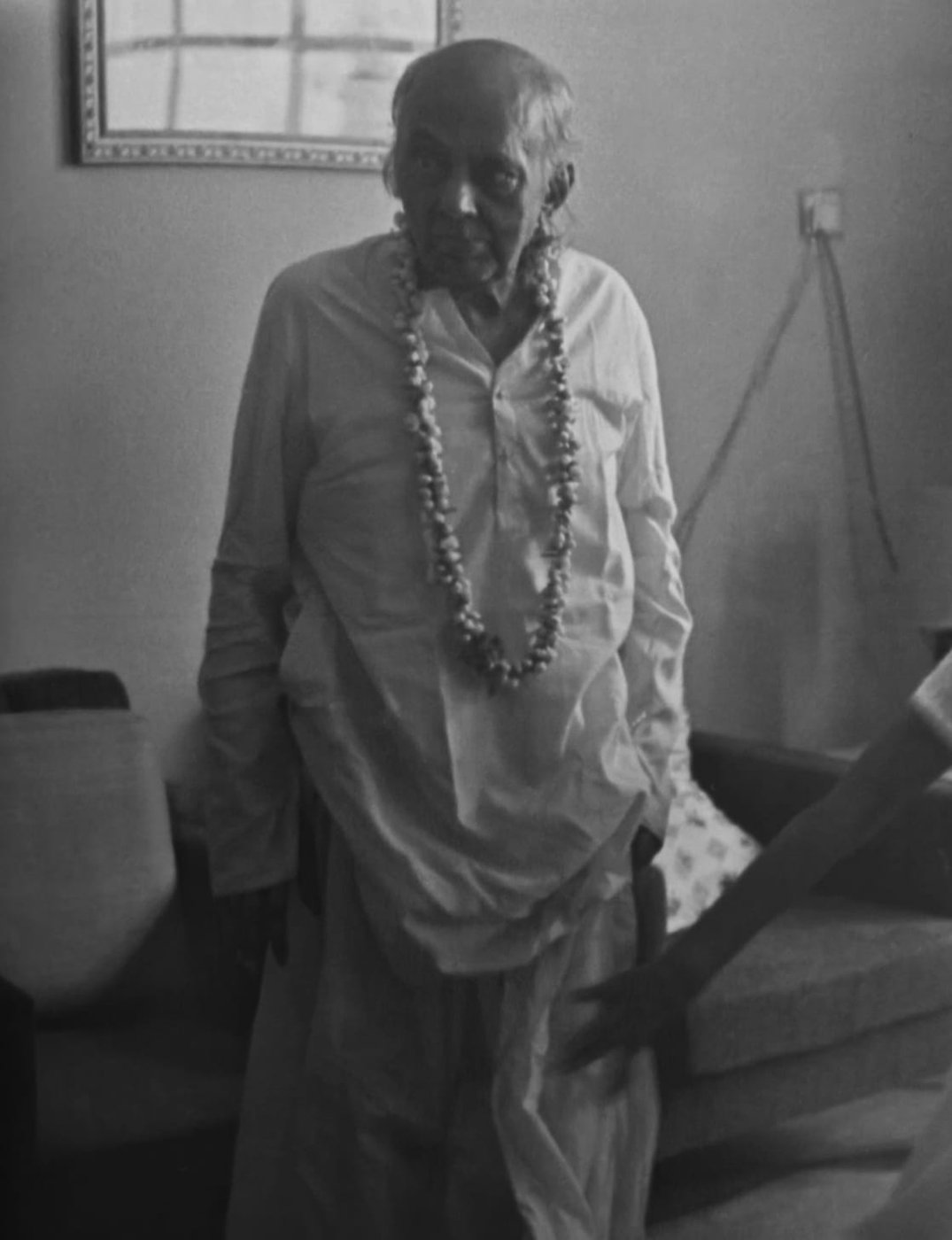
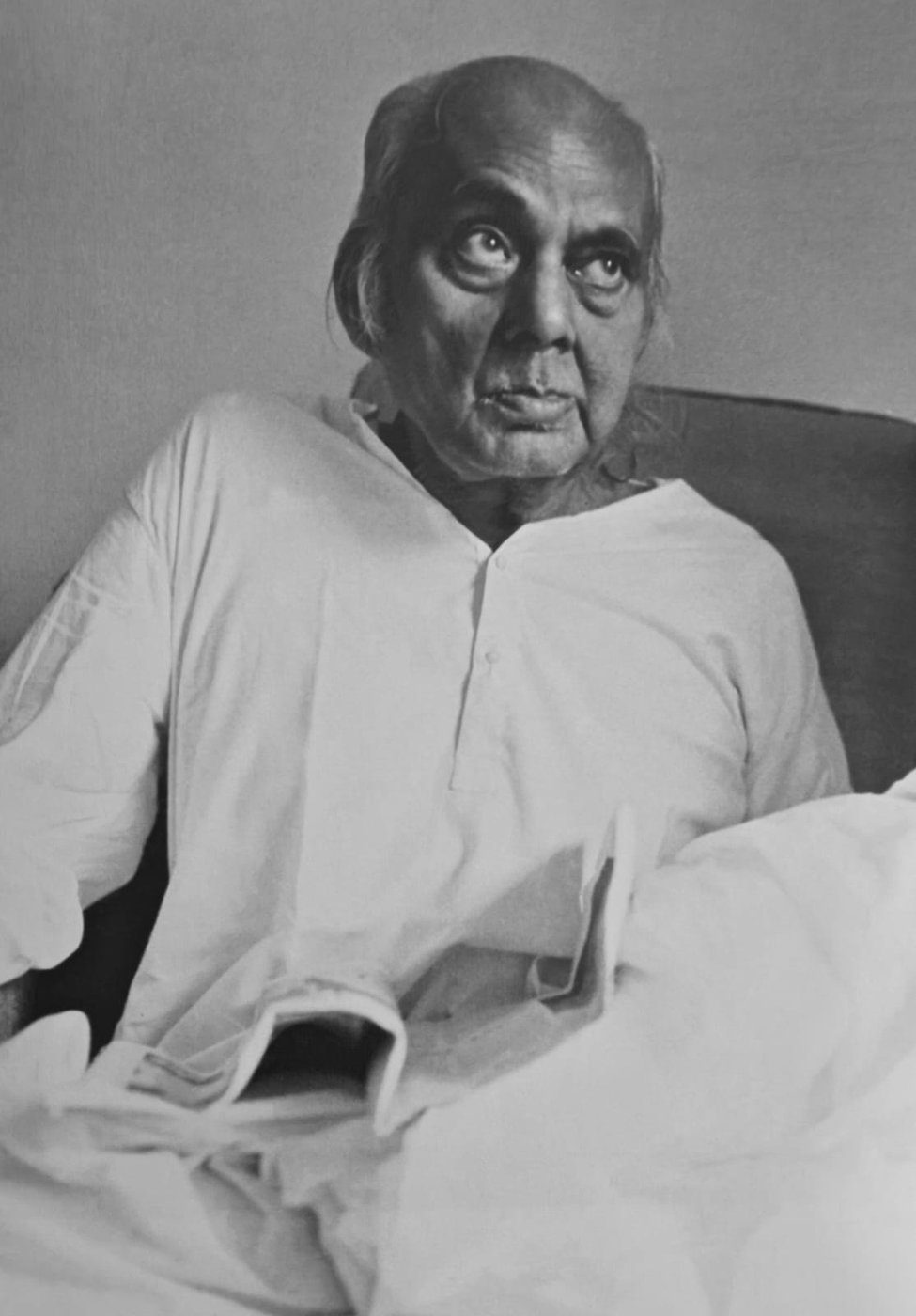
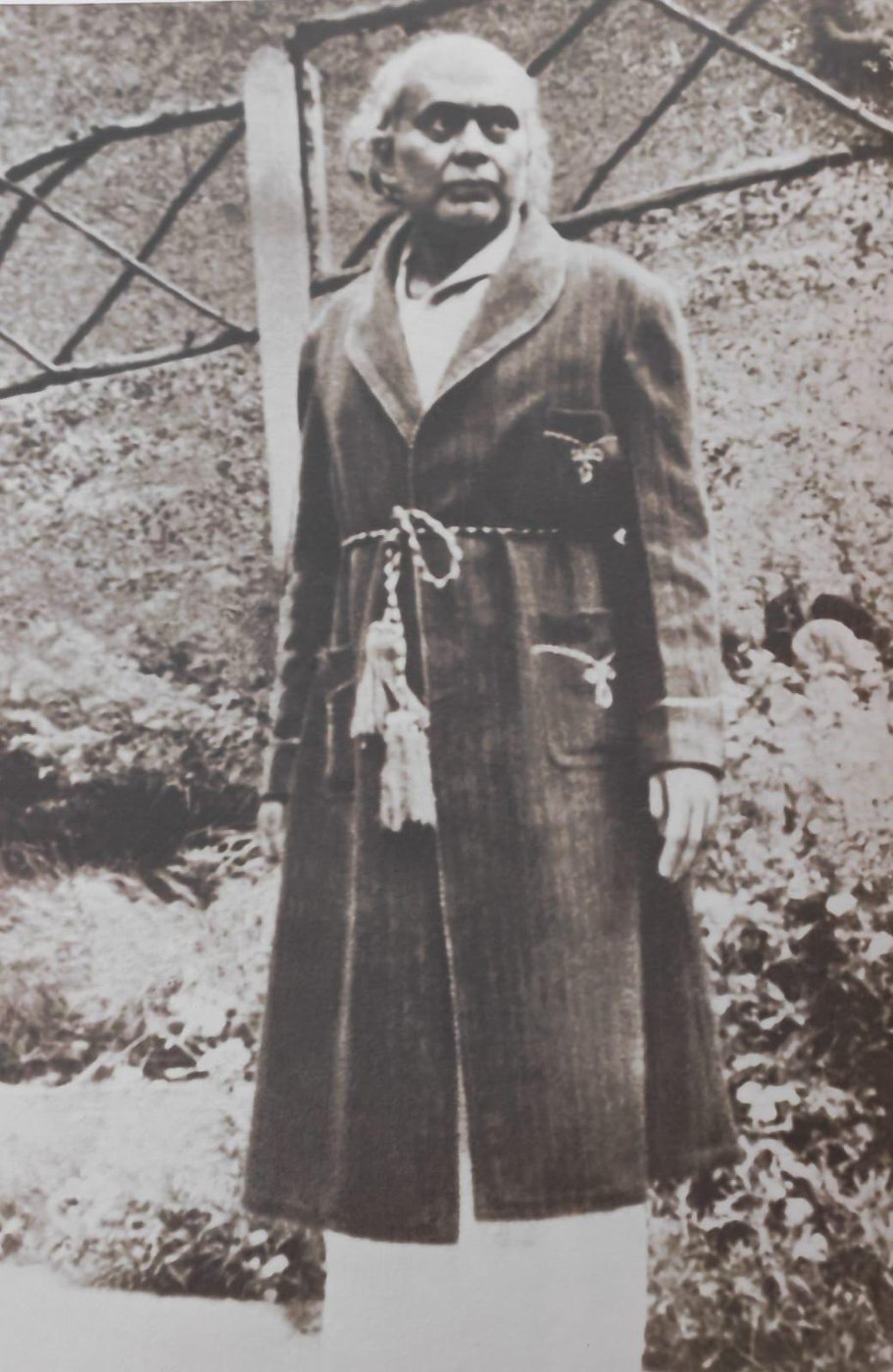
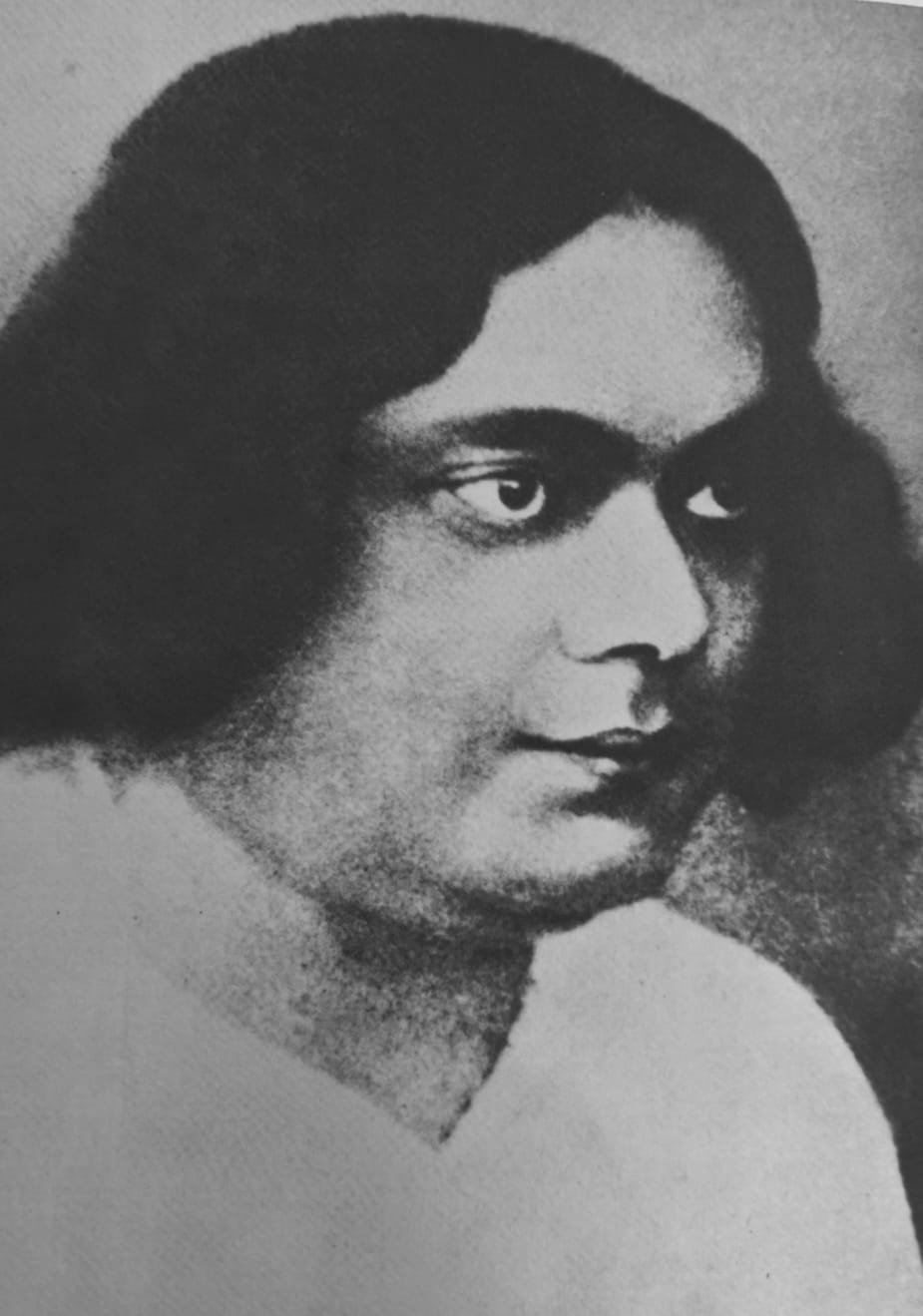
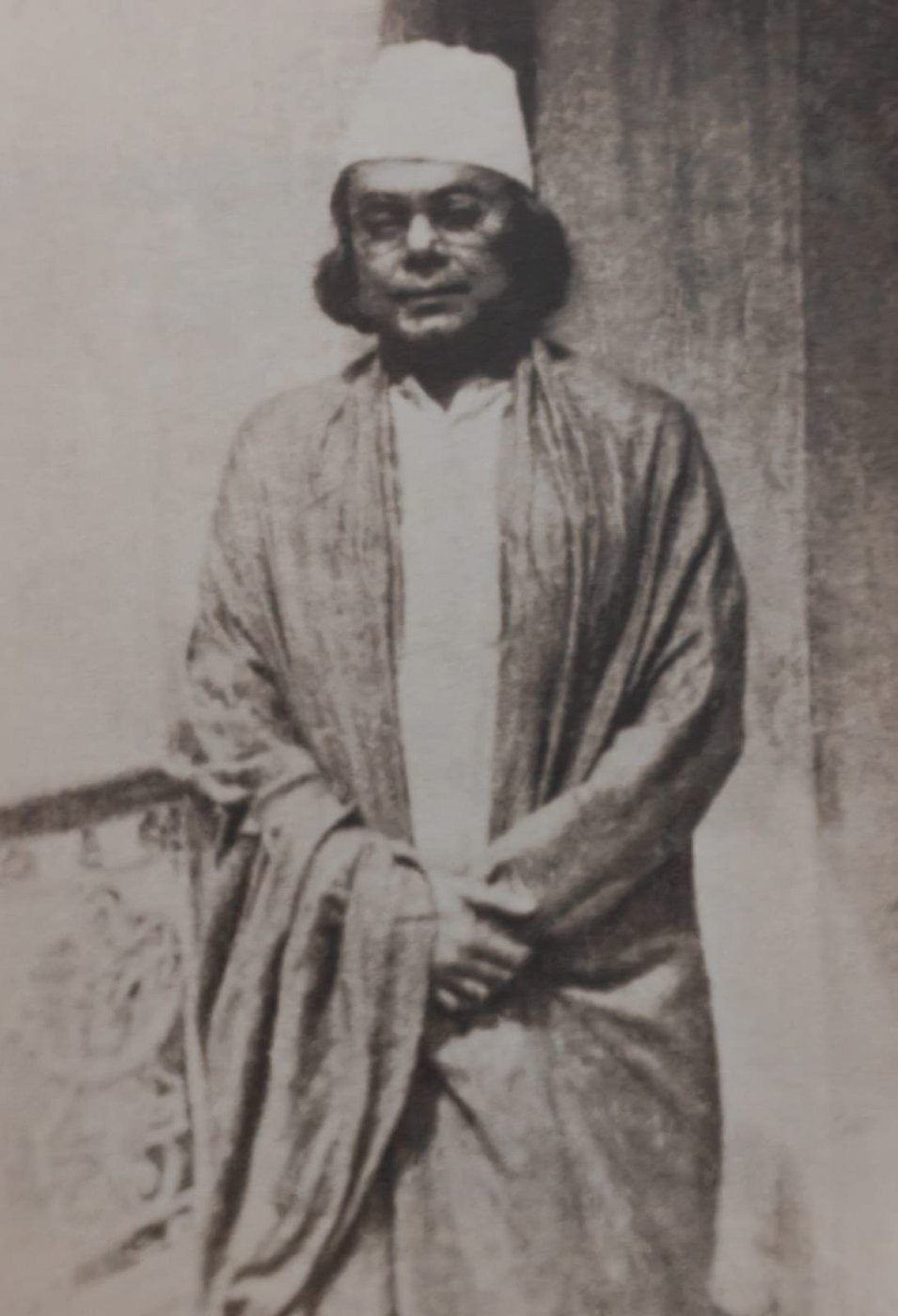
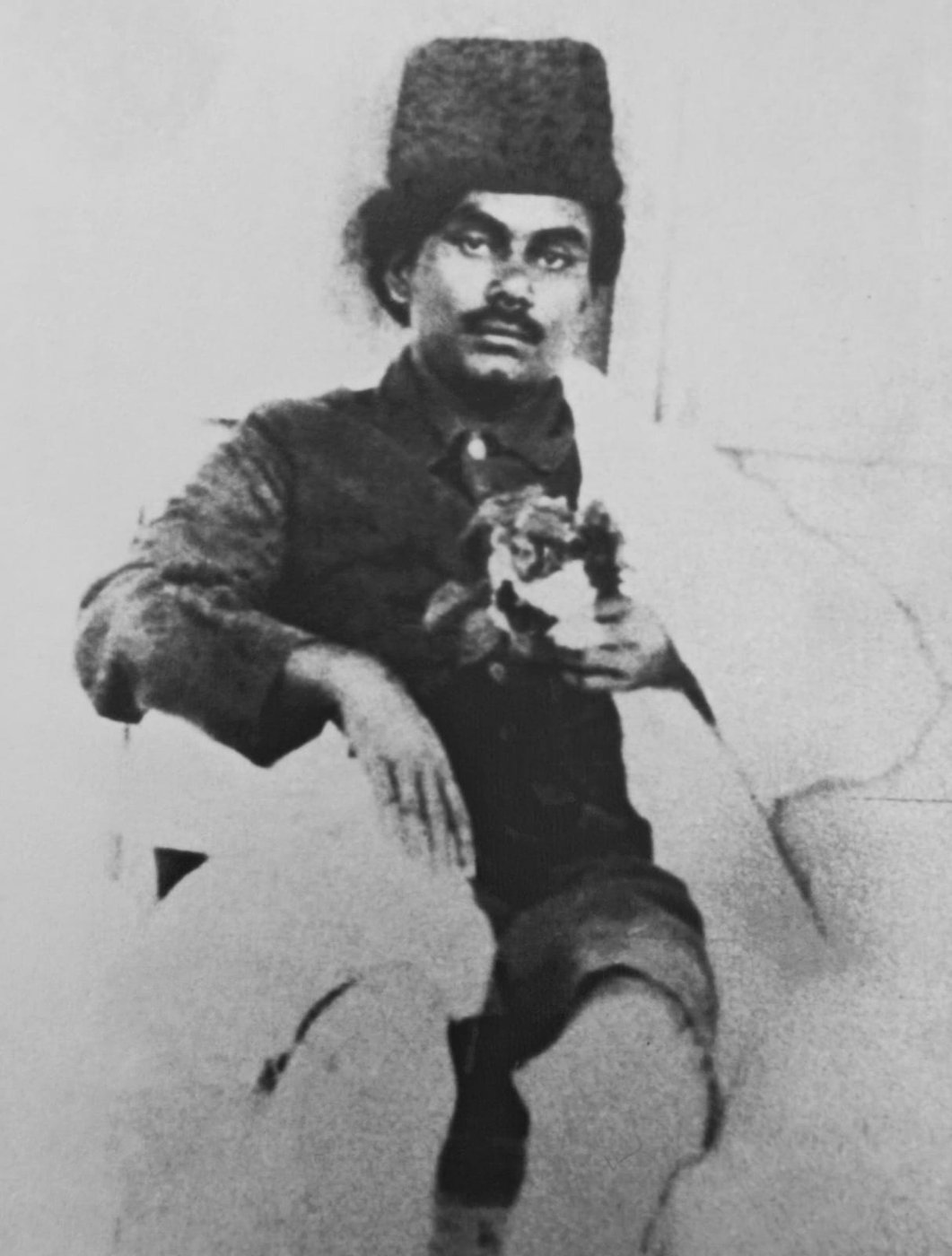
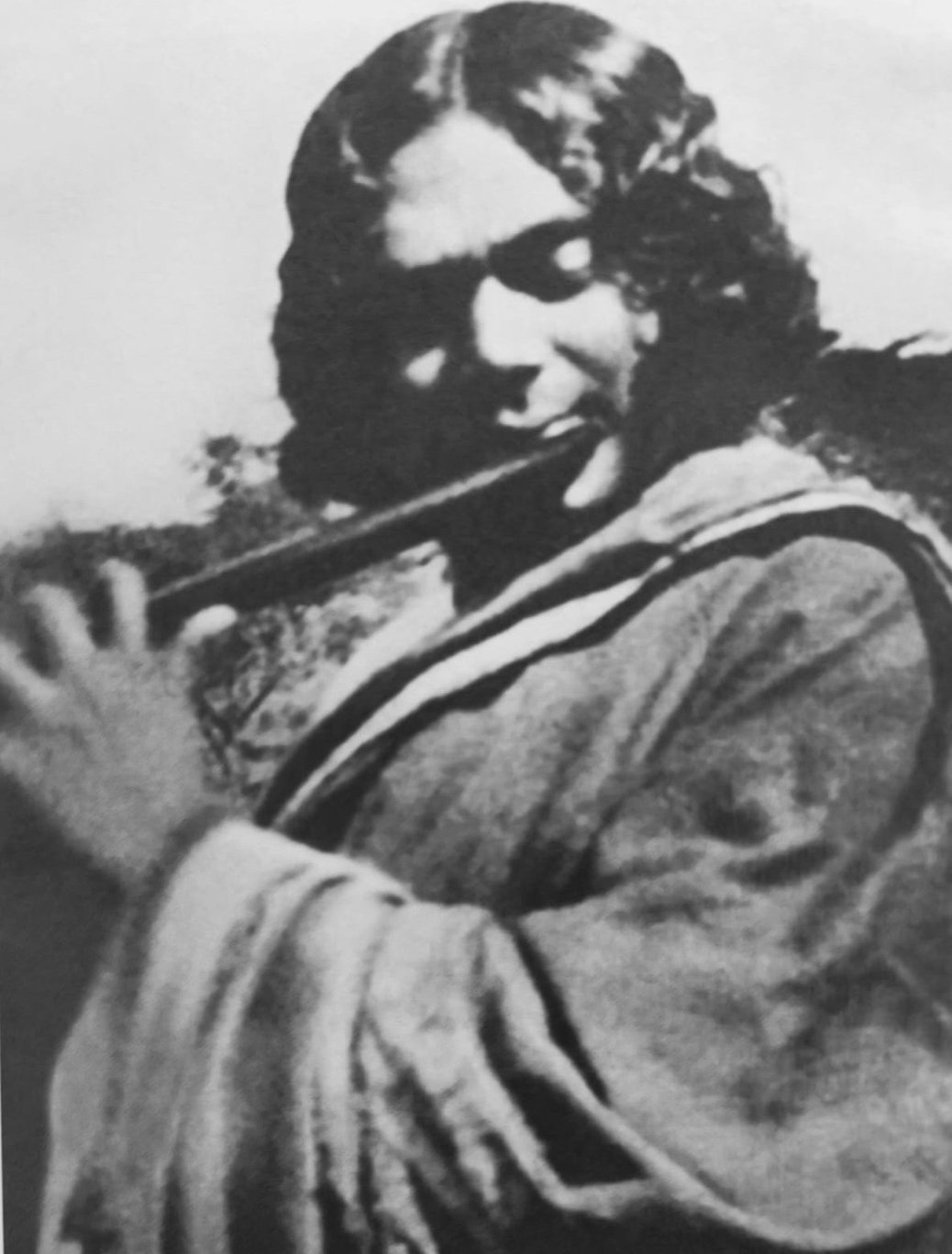
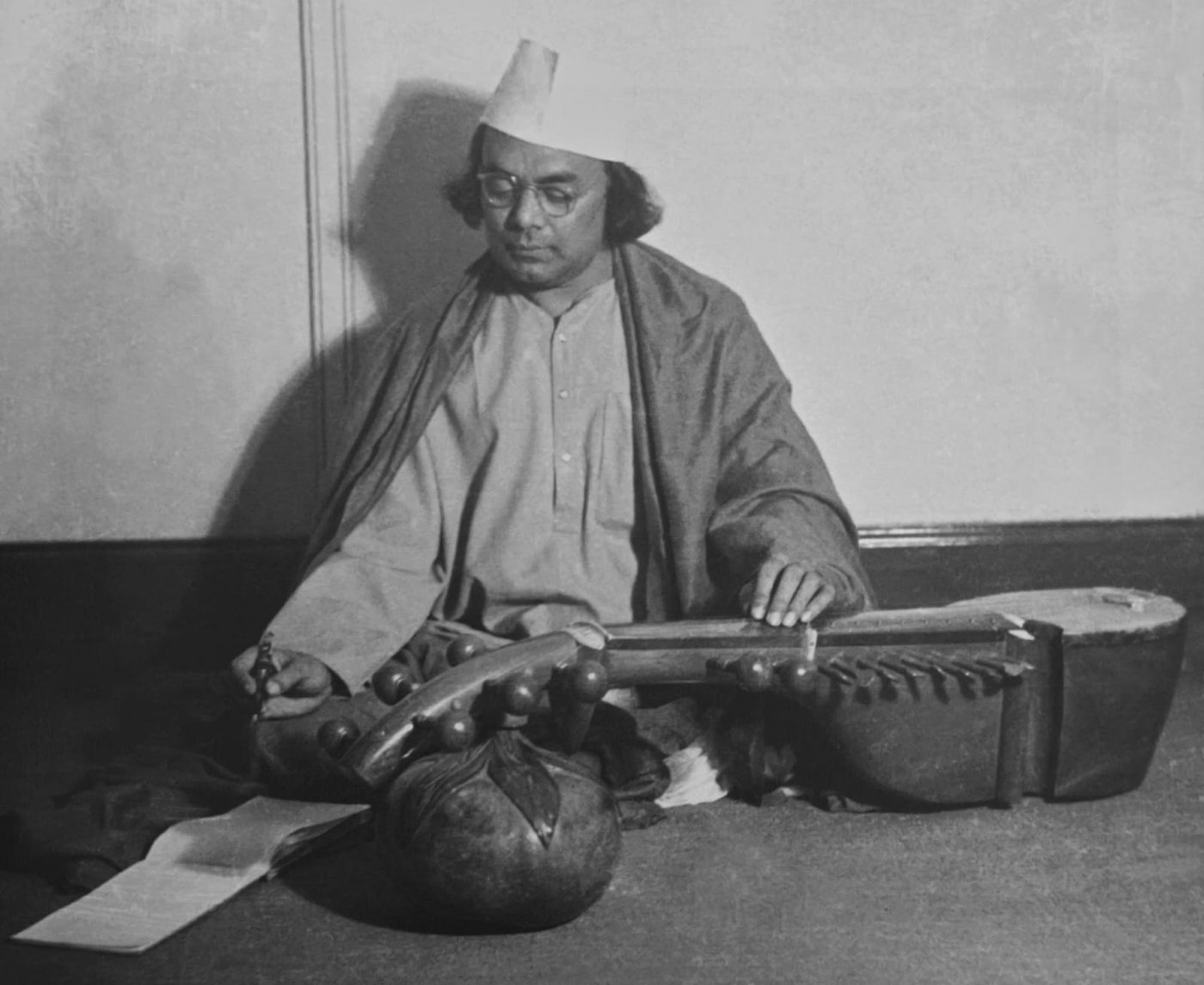
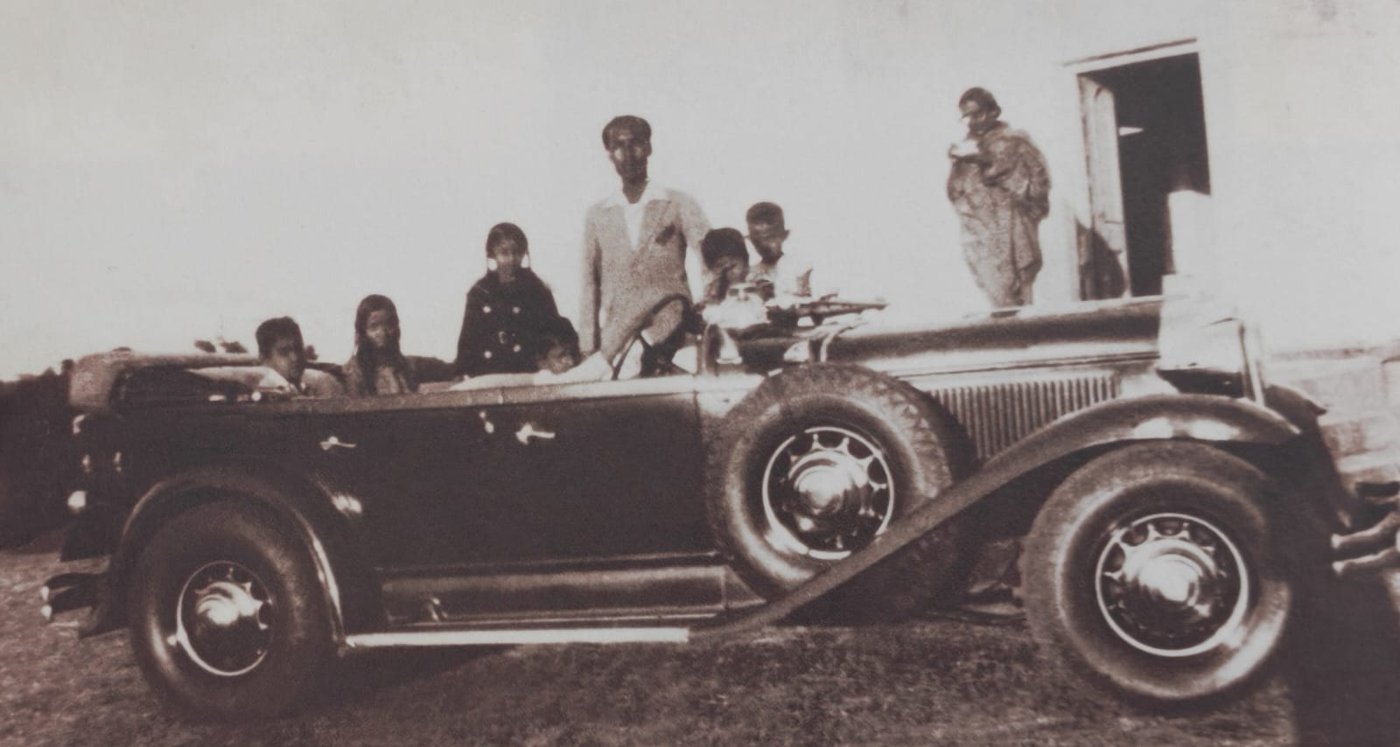
Nazrul in Photographsআলোকচিত্রে নজরুল